
Tag: lighting

  • Home furnishing and accessories for affordable home updates

    Home furnishing and accessories for affordable home updates

    Affordable updates don’t start with buying more; they start with choosing pieces that make a room feel considered. A professional approach to home furnishing and accessories can bring pillows, throws, lighting, rugs, and accents into a cohesive plan without major changes to the space.

    It’s understandable to want a refreshed home while keeping selections and spending intentional. An interior designer can identify where a new rug or better lighting will have the greatest effect, then coordinate those choices with the furnishings and finishes already in place.

    This article explains how professional curation can make affordable decor choices more purposeful, from balancing texture and color to selecting accessories that suit each room. It also covers what to consider when choosing a furnishing service, including project scope, how selections are coordinated, and whether the process aligns with your priorities.

    Key Takeaways

    • Coordinate pillows and throws by color, texture, and scale so smaller additions feel intentional within the room.
    • A designer can narrow decor choices by aligning selections with your priorities, existing furnishings, and overall design direction.
    • Lighting, rugs, and accessories can refresh a space without major changes when their placement and proportions support the room’s use.
    • Room-by-room planning helps balance comfort, function, and visual cohesion; a furnishing service can coordinate those selections as part of a unified plan.

    Pillows and throws

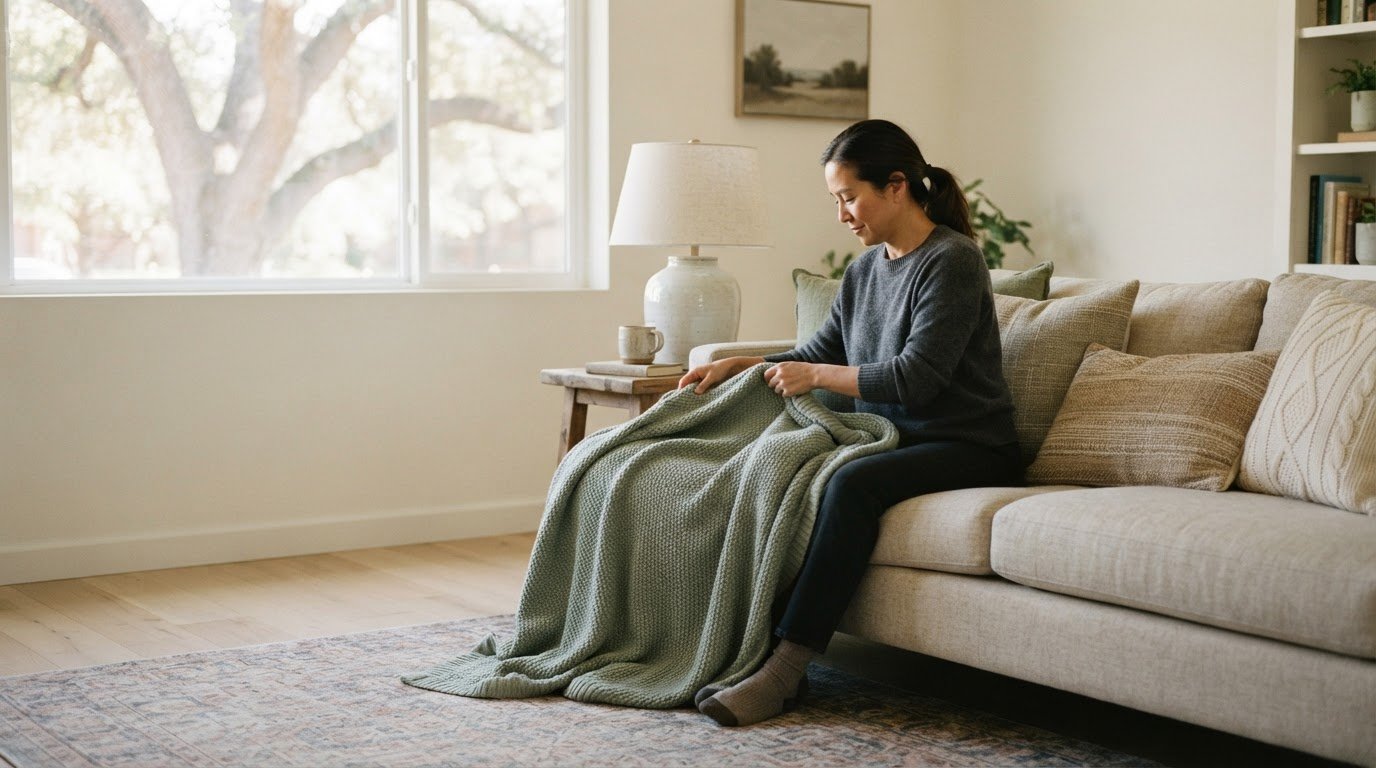
    Pillows and throws can refresh a room without changing its main furnishings. Start with the sofa, bed, or chair that anchors the arrangement. An interior designer considers its color, shape, upholstery, and everyday use before recommending decorative layers. For example, a patterned pillow can pick up a secondary color in a rug or artwork. A throw can connect those colors through texture rather than adding another print.

    Think in coordinated contrasts, not matching sets. A group of pillows can combine a solid, a subtle texture, and one measured pattern. On a neutral sofa, a muted green pillow and woven throw add definition without competing for attention. On a patterned chair, quieter pillows help keep the composition balanced. Scale matters too: pillows that are too small can disappear, while oversized ones may crowd the seat.

    Choose materials to suit how the room is used. A family room may call for comfortable fabrics that stand up to frequent use, while a guest room can prioritize a carefully arranged finish. Designers also consider how a throw drapes across a chair or folds at the end of a bed. Thoughtful placement helps accessories look intentional, not temporary.

    For furniture purchases in the United States, return, warranty, and delivery terms depend on the seller’s policies and purchase terms. Before ordering, review applicable deadlines, coverage, exclusions, and delivery scope, as details can differ by item and seller.

    Room measurement and layout planning start with the room’s dimensions and fixed features. A designer records wall lengths, doorways, windows, and built-ins, then maps furniture footprints against circulation paths. For example, the plan can test whether a sofa, side table, and reading chair fit without blocking a doorway. This measured process connects accessory choices to the room’s actual layout.

    These seasonal choices can complement the room’s established colors, textures, and furniture.

    How can an interior designer help you source affordable home decor?

    Online purchases can misrepresent scale, color, texture, or finish, and delivery terms vary. A designer can reduce these risks by reviewing dimensions, product details, and the room plan before finalizing selections.

    Candleholders and Taper Holders

    A considered candleholder can add structure without requiring a large decorative piece. Antique-brass taper holders, for example, bring a defined vertical line to a dining table or mantel. A designer weighs finish, silhouette, and scale against nearby objects. Pairing a slender holder with a low bowl creates contrast; matching every metallic accent can make the arrangement feel overly uniform.

    Candles and Home Fragrances

    Candles and home fragrances contribute to a room’s atmosphere, so placement should suit how people use the space. A candle on a living-room console can sit among books and a small tray, while a bedroom arrangement may call for fewer visual accents. A designer considers fragrance alongside the room’s materials, colors, and decorative objects to keep the selection aligned with the overall scheme.

    Room-by-Room Furniture and Decor Choices

    Each room calls for a different balance. In a living room, a designer coordinates candle accessories with seating, surfaces, and the focal point. In a dining area, holders should complement the table setting without overwhelming it. Baskets can add practical storage near an entry or reading chair while keeping the decor connected to the rest of the home.

    For online selections, the designer compares listed dimensions and finish details with the intended location, then considers how each piece relates to nearby furnishings. This process helps identify mismatches before an order is placed. A coordinated decor selection can also account for candles, fragrance, and storage as parts of one room plan.
    Home furnishing and accessories for affordable home updates

    Lighting, rugs, and accessories

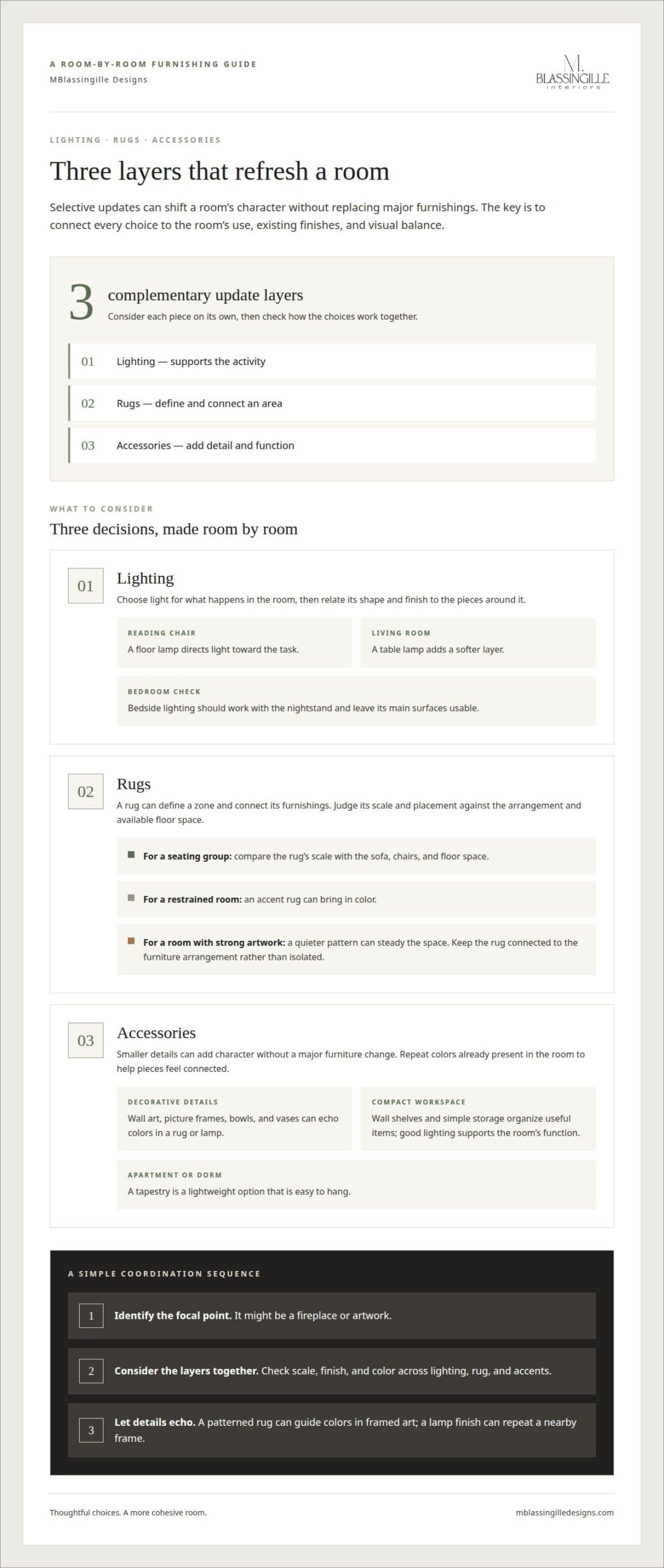
    Lighting, rugs, and smaller accents can shift a room’s character without replacing major furnishings. A designer considers how each piece relates to the room’s use, existing finishes, and visual balance.

    Lighting Choices

    Choose lighting based on the activities each room supports. A floor lamp beside a reading chair directs light toward a task, while a table lamp can add a softer layer to a living room. In a bedroom, bedside lighting should work with the nightstand and leave its main surfaces usable. A designer also considers how lamp shapes and finishes relate to other pieces, so different styles feel coordinated rather than randomly assembled.

    Rug Options

    A rug defines an area and connects its furnishings. For a seating group, a designer considers the rug’s scale against the sofa, chairs, and available floor space. An accent rug can bring color to a restrained room, while a quieter pattern can steady a space with stronger artwork. Placement matters too: a rug should support the furniture arrangement instead of appearing isolated. Comparing these factors helps narrow the options before selecting.

    Accessory Selection

    Accessories give a room detail without requiring a large furniture change. Wall art, picture frames, decorative bowls, and vases can repeat colors already present in a rug or lamp. In a compact workspace, wall shelves and simple storage keep useful items organized, while good lighting supports the room’s function. A tapestry offers another option for apartments or dorms because it is lightweight and easy to hang.

    To coordinate these pieces, a designer first identifies the room’s focal point, such as a fireplace or artwork. Then lighting, rug, and accent choices are considered together for scale, finish, and color. For example, a patterned rug can guide the colors in framed art, while a lamp’s finish can echo a nearby frame. This sequence keeps updates selective and cohesive.

    How does an interior designer choose furniture and decor for each room?

    A designer starts with how each room is used, then aligns furnishings with its layout and existing features. A living room for conversation needs a different arrangement from one centered on television viewing. Doorways, windows, storage, and furniture the household plans to keep also shape the design. This assessment helps prioritize useful pieces before adding decorative details.

    In a living room, seating establishes the arrangement. A designer considers how chairs relate to the sofa, where people enter, and whether tables support daily routines. For example, a reading chair near a floor lamp creates a distinct area without separating it from the main seating group. A rug and artwork can then connect the zones through coordinated color and scale.

    Bedrooms call for a quieter balance. Soft bedding, calming colors, and layered textures can create a restful feel, while bedside surfaces and lighting should suit nighttime routines. In a small home office, priorities shift to functional furniture, simple storage, and layered lighting. A designer may position shelves near the work surface, keeping frequently used items accessible without crowding the room.

    Dining areas and entryways need their own practical logic. A dining table should leave room for chairs to move, while a console near the entrance can provide a landing place for everyday items. A designer relates finishes across adjoining rooms, perhaps repeating a wood tone or carrying an accent color from a rug into nearby artwork. This creates continuity without making every room identical.

    Selections are refined against the agreed priorities, existing furnishings, and room plan. If a household wants to retain a sofa, the designer can coordinate surrounding pieces rather than replace it. For a considered room-by-room plan, start a design conversation.

    MBlassingille Designs: Furnishing and Accessories

    MBlassingille Designs brings room selections together through furnishing and accessories, design, and consulting. Turn to the studio when you want pillows, throws, lighting, rugs, and decorative pieces considered as part of a cohesive plan rather than chosen in isolation.

    The process can begin with the rooms you want to update, the furnishings you plan to keep, and the priorities guiding your decisions. Selections can then be shaped around each room’s function, existing finishes, and overall direction. This approach is useful when you want a considered refresh that still supports day-to-day living.

    For a more coordinated approach to your home, contact MBlassingille Designs to discuss your furnishing and accessories needs.

    Shape Your Next Design Decision

    An affordable refresh starts with a clear sense of what should change and what should remain. Before making selections, consider whether your priority is one room, a connected group of spaces, or a finishing layer across the home. Defining the scope gives the design process direction and helps keep each decision aligned with how you want to live.

    For home furnishing and accessories, MBlassingille Designs offers design, selections, and consulting to give your space a considered direction. Start with a conversation about the rooms you want to address, the furnishings you plan to keep, and the changes that matter most to you.

    Contact MBlassingille Designs to discuss your next design step. A thoughtful plan can make the path forward feel clear and manageable.

    Frequently Asked Questions

    Where do interior designers shop online?

    Interior designers source furnishings through online retailers, makers’ websites, and trade-focused showrooms. The right channel depends on the item: a designer might compare upholstery options from a furniture brand, then seek a distinctive pendant from a specialist source. Before selecting, they assess dimensions, finish details, and how each piece fits the project’s direction, rather than relying on a product image alone.

    What are the main types of home furnishings and accessories?

    Home furnishings include functional pieces such as sofas, dining tables, beds, and storage furniture. Accessories add finishing details, including lamps, rugs, mirrors, artwork, pillows, throws, and decorative objects. This distinction can guide planning: a household furnishing an empty room may first need a bed and dresser, while an established room may benefit more from a mirror or carefully placed accent lighting.

    How can an interior designer help you find affordable home furnishings and accessories in the United States?

    An interior designer can focus selections on a room’s priorities, existing furnishings, and overall plan, helping avoid purchases that don’t fit or serve a clear purpose. In Dallas, Texas, MBlassingille Designs provides design, selections, consulting, and furnishing curation for residential spaces. For example, a homeowner updating a living room can discuss which existing pieces to keep and how new selections should work with them.

    What are the risks of buying home furnishings online, and how can you avoid scams?

    Online listings can misrepresent a piece’s scale, color, texture, or finish, and delivery terms vary. Compare dimensions and finish details with the room plan, and review the seller’s return, warranty, and delivery terms before ordering.

    What are the latest home furnishing and interior design trends in the United States?

    Popular decor choices include natural textures, soft colors, and layered materials. Coordinating lighting, rugs, and accents with existing furnishings can refresh a room without major changes.
  • How to Coordinate Home Finishes for Cohesion and Durability

    How to Coordinate Home Finishes for Cohesion and Durability

    No, every room doesn’t need to match. A cohesive home can repeat a core palette of 3–5 hues and select a few finishes that carry from one space to another. Learning how to coordinate home finishes means balancing those shared elements with room-specific choices, including lighting, plumbing, and cabinet hardware.

    It’s reasonable to want finishes to feel connected, especially when rooms flow into one another. Matching every metal, surface, and color can make a home feel overly uniform, while unrelated choices can interrupt the flow. Aim for clear visual relationships, not a copy-and-paste scheme.

    This guide explains how to build a finish palette, use transitions intentionally, and prioritize durable materials in high-traffic areas. It also shows how a dominant metal finish and a deliberate second finish can bring lighting, plumbing, and hardware into alignment without repeating the same choice in every room.

    Key Takeaways

    • Choose flooring by room function: consider tile for moisture-prone spaces and softer carpet where comfort matters.
    • Use transitions, repeated materials, and related artwork to connect rooms while allowing each space its own character.
    • Prioritize finishes that are easier to maintain in busy areas, and weigh the care needs of materials such as marble.
    • Plan lighting, plumbing, and cabinet hardware together so their finishes feel deliberate across the home.

    1. What should I consider when choosing finishes for a custom home?

    Finish costs vary with material, quantity, and installation complexity, so compare the full scope rather than a single sample price. Prioritize elements that are difficult to replace later, such as cabinet boxes, hinges, flooring, and plumbing valves inside walls. Paint, decorative lights, and cabinet knobs are easier to change in a later phase.

    Choose flooring based on each room’s conditions. Tile suits moisture-prone kitchens and bathrooms, while carpet can add comfort in bedrooms and living rooms. Luxury vinyl or laminate can offer a wood or stone look with added water resistance. In connected public rooms, continuous flooring can guide the eye; use a deliberate transition where the room’s function or existing architecture calls for a change.

    Select finishes in sequence: establish flooring and fixed cabinetry, coordinate countertops, then choose wall colors, trim, rugs, and art. This order lets broad surfaces set the palette before smaller accents enter. Repeat related tones or materials across rooms, using a core palette of 3–5 hues rather than matching every finish.

    To coordinate flooring, cabinets, countertops, and wall colors, compare actual samples side by side. For example, pair a warm wood floor with cabinet samples and countertop veining, then test wall paint alongside them. Repeating trim white across rooms supports continuity, while rugs and artwork can echo adjacent spaces without duplicating them.

    Common mistakes include selecting finishes in isolation, relying on near-match floor transitions, and judging paint from a single sample. Paint can look different in rooms with different exposures. Place samples at both ends of the home and compare them in morning and late-afternoon light. A green-undertone white, for example, may look crisp in a bright south-facing kitchen yet swampy in a north-facing bedroom. Use wallpaper or an accent wall for contrast, while repeating trim, tones, or artwork to connect adjacent rooms.

    Costs depend on the material, quantity, and installation complexity, so compare the full scope of each finish. Prioritize cabinet boxes and hinges, flooring, and plumbing valves inside walls because they are difficult to replace later.

    2. Mixing finishes while maintaining a cohesive design

    Build a cohesive palette from the undertones in fixed materials, then give each color a role: background, supporting shade, or accent. Warm oak, creamy paint, and muted green, for example, can relate without matching exactly. This creates a consistent thread while allowing room-specific variation.

    Contrast can come from texture as well as color. Pair a smooth stone counter with visibly grained wood cabinetry: the different surfaces add interest, while shared warm undertones keep them aligned. Repeat a material or color at a doorway, in a nearby rug, or through framed art. The repeated element acts as a visual bridge, not a reason to duplicate entire rooms.

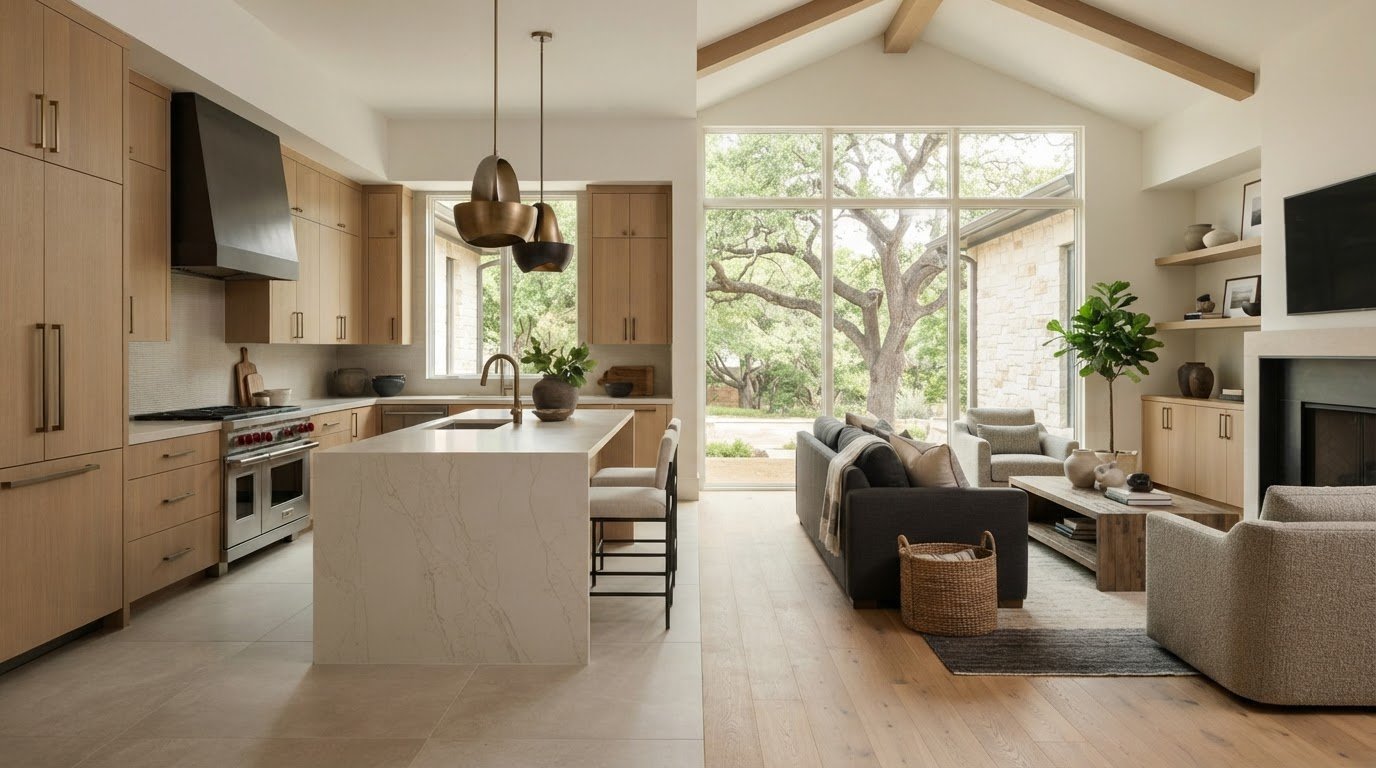
    In an open-plan kitchen and living room, use one floor and one white across the shared space. Distinguish functions through furniture, rugs, pendant placement, or cabinet color rather than abrupt surface changes. A rug can define the seating zone while the flooring continues beneath it.

    To combine design styles, choose an anchor before introducing contrasting pieces. Let traditional wood cabinetry establish the room’s character, for example, then add a simple modern light fixture. Relate the styles through a shared color, shape, or material, such as black accents repeated in a frame and chair legs. Keep the contrast focused; competing patterns and unrelated finishes can make the room feel unsettled.

    Before finalizing choices, arrange finish samples together and view them beside the room’s existing features. Compare how each surface relates to the floor, cabinetry, and wall color, rather than judging it alone. A considered residential design plan can map these relationships across connected rooms, helping each space retain its character while contributing to a coherent whole.

    How to Coordinate Home Finishes for Cohesion and Durability

    3. Choosing durable finishes for high-traffic areas

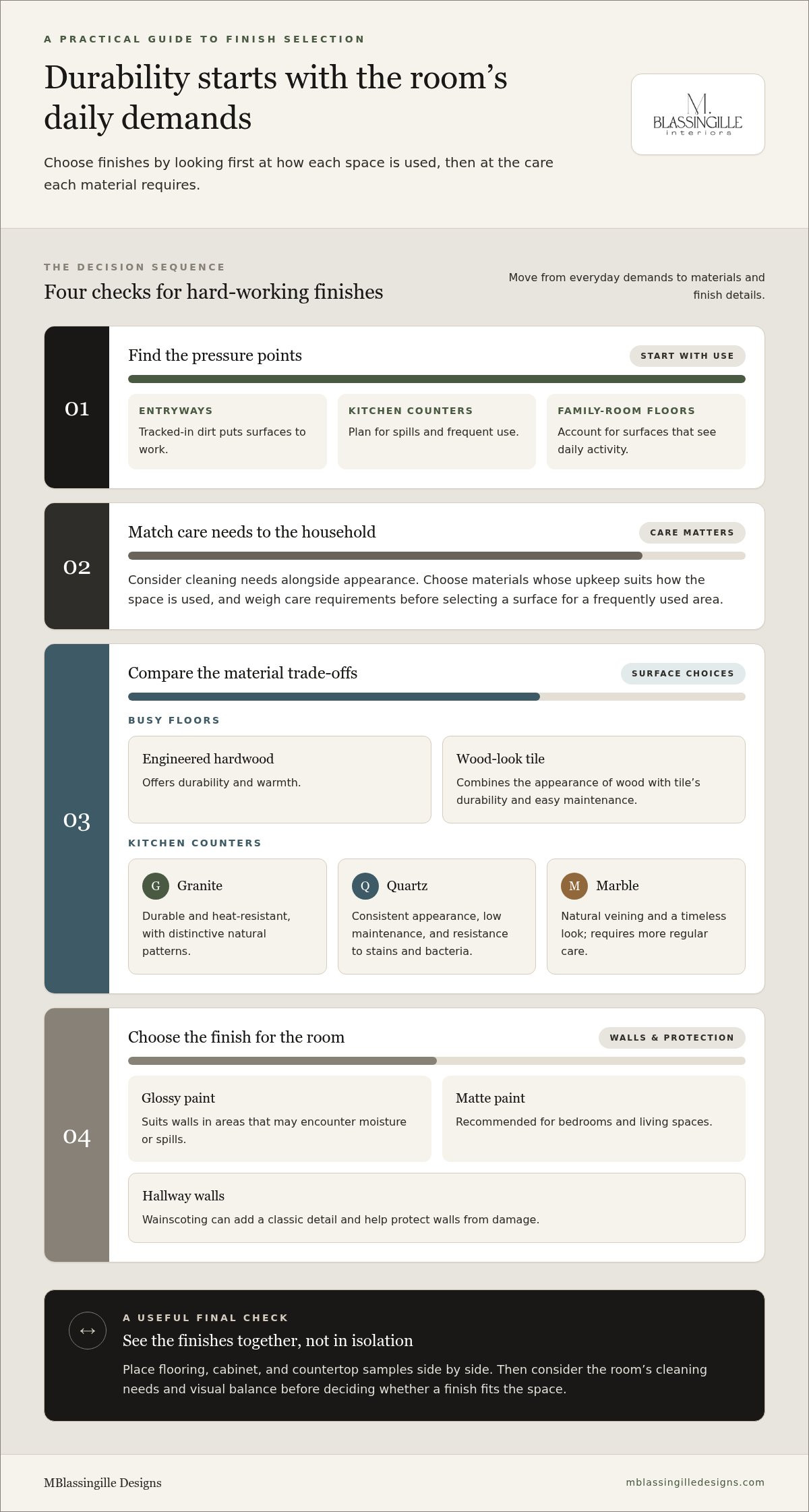
    Start by identifying where daily activity puts the most pressure on surfaces. Entryways collect tracked-in dirt, kitchen counters face spills, and family-room floors see frequent use. Consider cleaning needs alongside appearance, then choose materials whose care requirements suit how the household uses each space. Knowing how to coordinate home finishes means matching upkeep expectations to everyday routines.

    For busy floors, engineered hardwood offers durability and warmth. Wood-look tile provides the appearance of wood with tile’s durability and easy maintenance. In a kitchen, compare samples beside cabinetry and counters to see how the floor’s color and pattern relate to nearby surfaces. The right choice depends on the room’s use as well as the overall design.

    Countertops also call for different care considerations. Granite is durable and heat-resistant, with natural patterns that make each slab distinctive. Quartz offers a consistent appearance, low maintenance, and resistance to stains and bacteria. Marble has natural veining and a timeless look, but requires more regular care. Consider these differences before selecting a surface for a frequently used island.

    Glossy paint finishes suit walls in areas that may encounter moisture or spills, while matte finishes are recommended for bedrooms and living spaces. Wainscoting can add a classic detail and help protect hallway walls from damage. Choose a finish that suits the room’s use, then consider how its texture and color relate to surrounding materials.

    To decide how to coordinate home finishes while prioritizing durability, compare samples as a group. Place flooring, cabinet, and countertop samples together, then consider the room’s cleaning needs and visual balance. A finish that works in a rarely used guest room may not suit a busy kitchen. Choosing according to room use helps create a considered home that remains practical in daily life.

    4. Coordinating lighting, plumbing, and cabinet hardware

    Start with a dominant metal finish, then decide where a second finish can add contrast. Use one finish for kitchen plumbing fixtures and cabinet hardware, for example, then introduce another through the pendant lights. A deliberate relationship works better than selecting each item separately and hoping the metals look compatible once installed.

    In kitchens and bathrooms, coordinate finishes by giving plumbing fixtures a clear role in the palette. Repeat their finish in cabinet pulls or nearby lighting, then use a second metal selectively as an accent. The same approach works in both rooms, but each can have its own balance and focal point.

    Placement matters as much as the finish itself. A contrasting metal can feel intentional when it appears in more than one considered detail, such as a kitchen pendant and a nearby cabinet knob. Avoid scattering unrelated finishes across fixtures. Instead, group similar finishes by function or location so the eye can follow a consistent pattern.

    Compare lighting, plumbing, and hardware samples beside cabinetry and countertops before finalizing selections. A brushed-looking metal can read differently beside dark cabinets than beside pale stone, and a fixture’s shape affects its visual weight. Review the pieces together in the actual room, not just in a showroom display or isolated product image.

    Keep a finish schedule that records each chosen finish and its location. For instance, note the kitchen faucet, cabinet pulls, and pendant finish together, then document bathroom fixtures separately. This simple reference helps prevent substitutions from disrupting the plan during a remodel or new construction project. New build design selections are best documented in sequence so choices stay coordinated as construction progresses. Plan your finish selections with design support for a coordinated result.

    Paint, decorative light fixtures, and cabinet knobs are relatively easy to change, making them practical choices during an initial remodel phase.

    MBlassingille Designs: Design

    MBlassingille Designs brings finish decisions into one coordinated design plan. For new construction or a home update involving flooring, cabinetry, countertops, and fixtures, its design, selections, and consulting services connect individual choices to the broader vision.

    This support is useful when you have a clear direction but need help turning samples into a consistent palette, or when several rooms must feel related without repeating every finish. A considered selection process weighs appearance, room use, durability, and how materials relate across spaces. For new construction in Dallas, planning these choices together helps establish continuity before they become part of the finished home.

    Contact MBlassingille Designs to discuss design support for your home’s finish selections.

    Carry your finish plan into the next phase

    The next step is to turn design intent into a usable finish schedule. Record the selected materials, where they will go, and which decisions are settled or still flexible. This gives future choices a clear reference point and helps prevent a late adjustment from creating inconsistencies elsewhere.

    A thoughtful approach to how to coordinate home finishes also leaves room for personal expression. The goal isn’t to eliminate contrast, but to make each contrast deliberate within the home’s larger plan. As selections move toward installation, review the schedule against the spaces and update it when a considered change improves the overall composition.

    If you’d like guidance shaping that plan for your project, connect with MBlassingille Designs about finish advice. A clear starting point can make the decisions ahead feel more manageable, and help your home come together with intention.

    Frequently Asked Questions

    Does every room need to “match”?

    No. Rooms feel connected through repeated visual cues, not identical specifications. Consider the view from a hallway: a shared shape, color, or material can link the rooms in sight without making either feel copied. A study can have a deeper, quieter palette than a nearby living room while still relating through a repeated detail, such as a frame finish or fabric color.

    What should I consider when choosing finishes for a custom home?

    Consider room proportions, architectural details, daily routines, and the furnishings you plan to use. A large-format surface can read differently in a compact powder room than in a spacious kitchen, while a pronounced pattern may compete with detailed millwork. Bring finish samples together with furniture or fabric references, then assess whether their scale and character suit the rooms where they’ll appear.

    How do you mix wood tones and metal finishes without clashing?

    Compare undertones and visual weight rather than expecting every material to have the same color. A pale, fine-grained wood and a darker, strongly grained wood can work together when one remains the main surface and the other appears in a smaller piece. For metals, consider sheen and fixture scale alongside color. A large pendant has more visual presence than a small cabinet pull.

    How do you balance durability and maintenance when choosing finishes?

    Choose materials with care needs that suit how each room is used. In a frequently used entry, a surface that conceals everyday marks may be more practical than a delicate, highly polished finish. Consider the cleaning products and routine the material requires, along with how easily a damaged area can be repaired. A beautiful finish is easier to live with when its upkeep suits your household.